
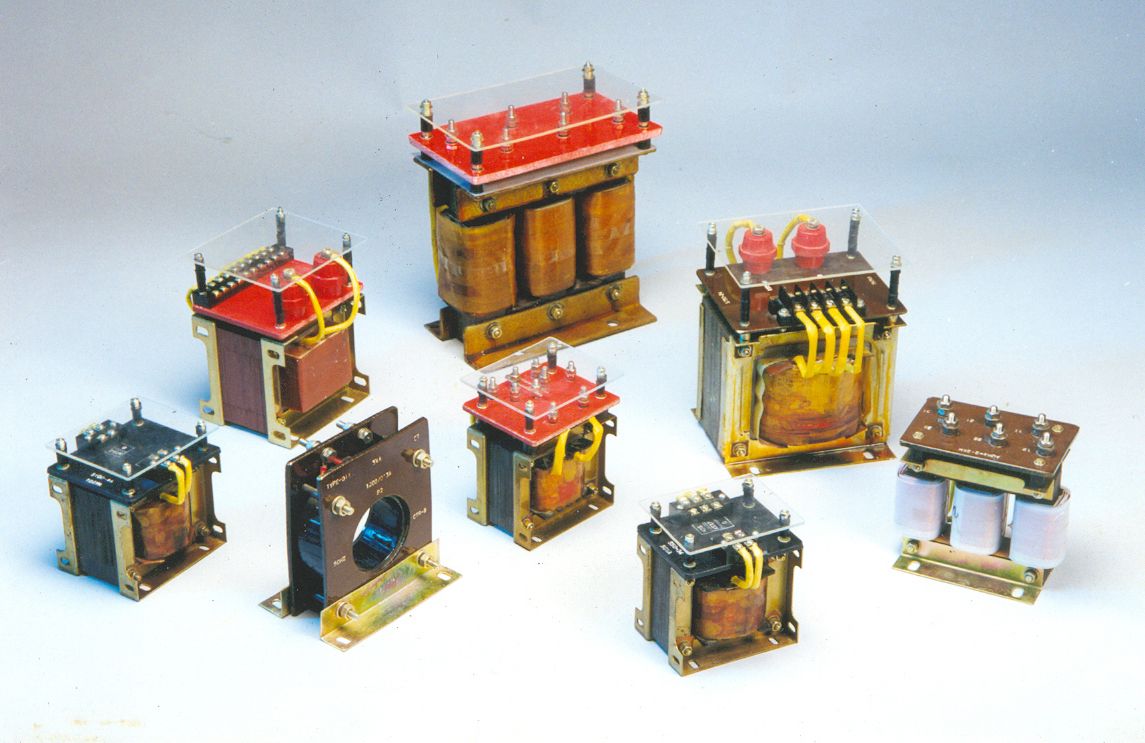
A control transformer is a critical component used in all most all Electrical Control Panels. It reduces the voltage to a suitable level for control circuits, ensuring relays, timers, and other devices function properly and safely. A control transformer in India should undergo a quality check by the OEMs before installation of the same in the control panel.
Testing a control Transformer requires patience and basic knowledge about the transformer. Improperly tested transformers can yield inaccurate readings, experience overloading, or even damage connected equipment. If you use the right tools and follow a systematic approach, you will get reliable results.
-
As OEM you demand a RTC (Routine Test Certificate) from the manufacturer of the Control Transformer: As QA engineer please do not accept any Transformer from your Store without the manufacturer’s RTC.
-
Visual Inspection before Electrical Testing: Before connecting any device or component to the control transformer, ensure that you conduct a thorough visual check on the Control Transformer. Look for any physical damage, such as corrosion, cracks, and burnt insulation. The terminals should be in good shape and there should not be any loose connection in the connected Terminals of the Control Transformer. Loose connections are the source of electrical sparks. Wires loosely connected to the Control Transformers are potential causes for failures in the long run.
-
A Checklist of Electrical Testing Procedures: Once the visual inspection is over, you may proceed to perform electrical tests on the control transformer in India. There are two basic important tests, namely the voltage ratio test and the continuity or resistance test.
-
Continuity and Resistance Testing: Make sure that you disconnect the transformer from power before conducting resistance tests. Otherwise, you may sustain injuries or cause equipment damage. Use a Multimeter to measure resistance of the primary and secondary windings. Then compare the readings with the manufacturer’s Routine Test Certificate. A significant deviation may indicate inter-turn short or open winding.
-
Voltage Ratio Testing: Connect AC supply of 110V/230V/415V at the primary as per specification and Test secondary voltages. Compare with the specification of the Control Transformer, RTC and the panel circuit diagram. For any discrepancy or deviation contact the transformer manufacturer.
-
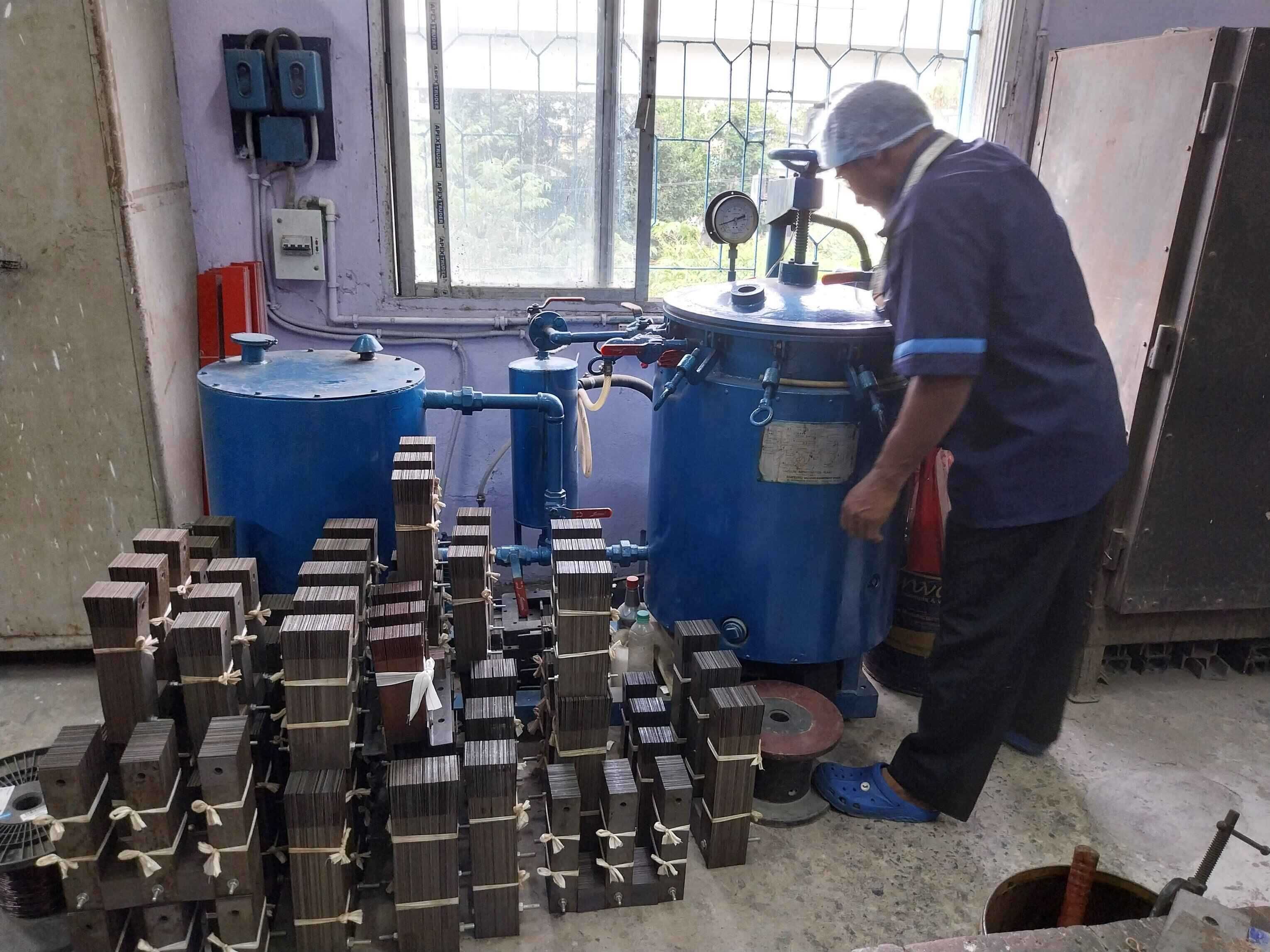
Insulation Resistance Testing: An insulation resistance test is performed in order to detect current leakage and insulation failure. Measurement of the insulation resistance between Primary & Transformer body should be measured with a 500VDC Megger. It should never be below 5 Meg Ohm (even in monsoon). Also compare the result that given in the RTC. If the insulation resistance value is low, immediately refer to the manufacturer. Reputed Control Panel manufacturers in India like “Electro Service India” does the varnishing with class-F grade Varnish in a Vacuum impregnation Plant. Varnishing done in a Vacuum Plant ensures high quality moisture proofing.
The Importance of Testing a Control Transformer
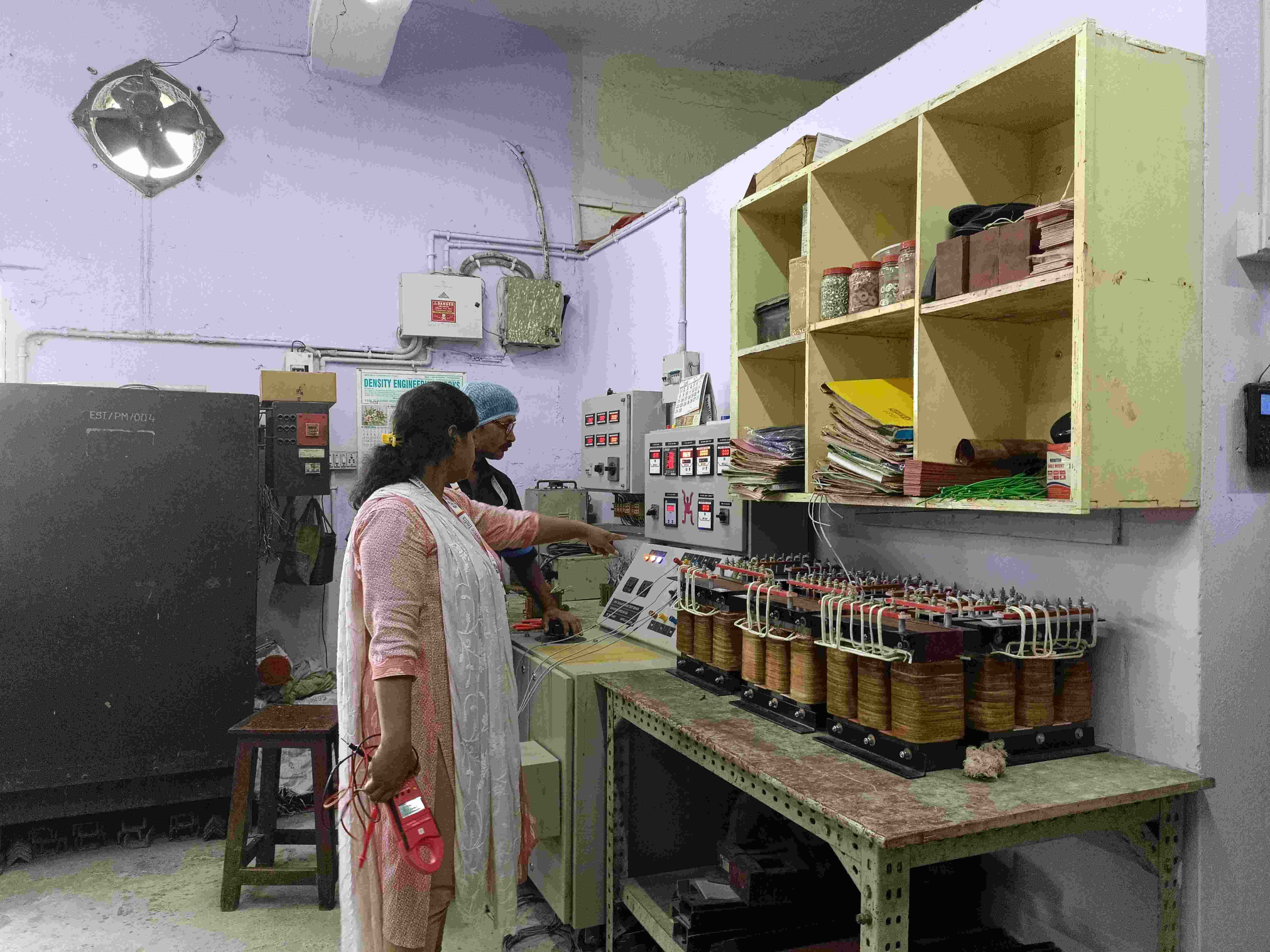
When you properly test a control transformer in India, you ensure safety and reliability of your Control Panel. As already mentioned, you should begin with a thorough visual inspection before moving on to continuity, voltage ratio and insulation resistance tests. Document the results to compare them with specification & RTC. You should consider testing your transformer regularly to avoid unexpected failures.